
The Basics of Food Processing: The Evolution of Better Preservation Systems without compromising the Quality.
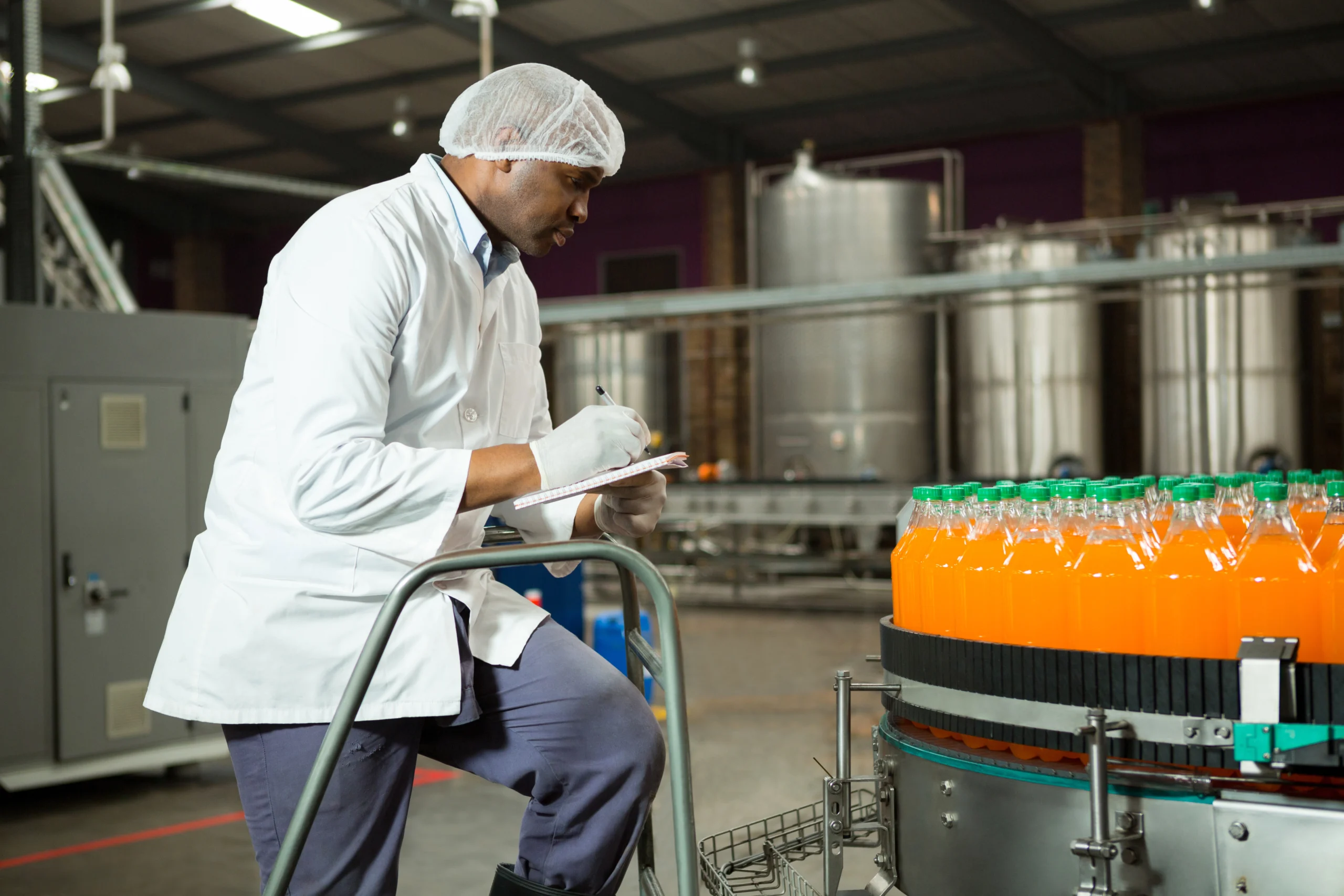
The common definition of food processing as a simple operation process is perceived as a very tactical system in reality and it determines the quality of products, safety, shelf life and business sustainability. The failure of most of the food production units is due to the fact that they have not had their processes organized appropriately, they have not integrated their systems and their preservation planning is poor as opposed to the demand in the markets or availability of raw materials. Processing as a short production process instead of a long-term quality system accumulation leads to inefficiencies and the value of the product also reduces with time.
The knowledge of nature of raw materials is the first step towards effective food processing. All the ingredients are heat-sensitive, pressure-sensitive, moisture-sensitive, and handling-sensitive. The various foods including fruits, vegetables, and meat on one hand and grains, on the other hand, have varying biological properties that dictate how they shall be processed and preserved. When processing plants are installed in a manner that is not considerate of these differences, it experiences heightened amounts of spoilage, nutrient loss and disproportionate quality of products. The behavior of the raw materials can be matched with their processing methodology to allow consistency of the producers with minimum wastes.
The preservation strategy is an important aspect that defines the entire lifecycle of production. The solutions cannot be replaced because the various approaches such as canning, freezing, dehydration, and controlled atmosphere storage are task-oriented. The deployment of an inappropriate preservation technique could bring negative effects to texture, flavor and nutrition value and increase the cost of operations. A well thought out preservation plan will ensure that satisfaction among consumers and brand loyalty is obtained simultaneously with the safety level.
The entire process of food processing should be inculcated with quality management. The monitored variables (temperature, pressure, processing time, and sanitation status) are consistent and reduce the risks of contamination. Facilities relying on end-of-line inspection do not detect systemic problems at an early stage. Constant quality gateways help to avoid recalls, improve regulatory compliance and reliability.
The food processing chain protection ends with packaging. Some of the misdemeanors that prevent the exposure of products to the environment and contamination include good sealing, selection of the material, and labeling. The packaging makes a difference too, to shelf life, transportation safety and consumer perception. The alternative approach of sustainable packaging also adds brand value, since it addresses the environmentally responsible production and transforms the consumer needs.
The performance measurement makes the processing systems continuously improve. According to the waste rates, spoilages, production and energy efficiency rates, the facilities can identify the inefficiencies and then optimize the operations with time. The absence of information to make decisions based on informed ways, makes the optimization processes made based on guesses and not in updated processes.
It is possible to achieve long term success in the food processing sector through strategic planning and not reactive production to production. The facilities will focus a lot on the system design, preservation accuracy, hygiene discipline and performance monitoring to develop resilient operations that do not affect quality and safety in scaled up.