
Processing Facility Planning: Developing Food Operations on a Long-Term Scale.
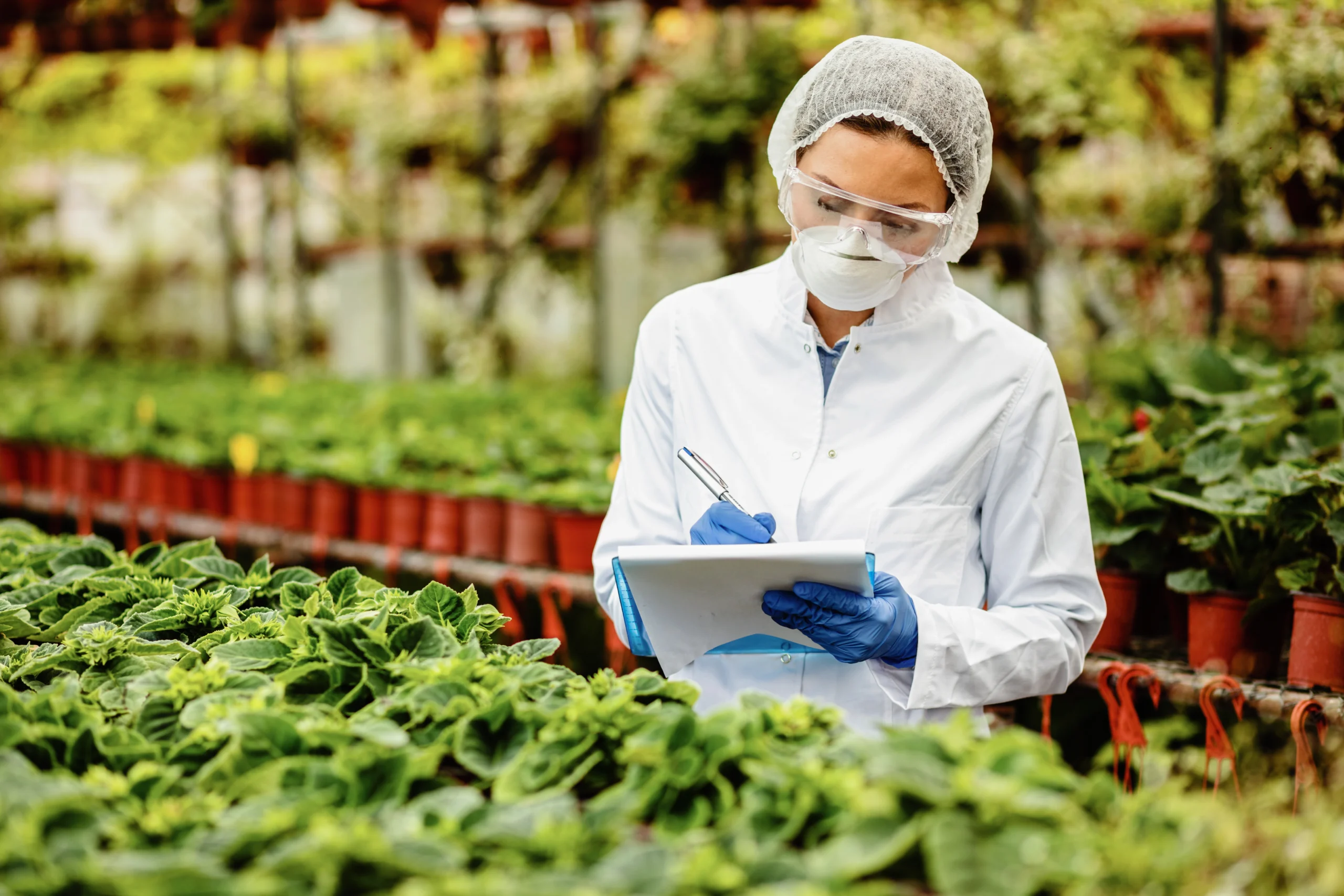
Food processing facility is not merely a physical area in which manufacturing occurs but a well-designed setup that safeguards the food quality, safety and maintains the same production, or output, throughout. It is the case with many food businesses, which experience recurring problems in their operation not due to bad products or low demand, but due to the fact that the facilities had not been planned out in the long term. In cases where layout decisions are done in haste or due to short term needs only, inefficiencies, risks of contamination and compliance are inevitable.
Workflow design is one of the most important components of facility planning. The intake of raw materials, washing, processing, packaging and storing should have a clear and non-returning flow. In the case of overlapping and intersecting of these zones, the possibility of cross-contamination grows exponentially. Workflows that are poorly separated usually result in hygiene violations, redundant work, and resource wastage. It is a planned facility that will have materials flowing in the right direction without reversing, no confusion, and the facility will not touch on the materials without need.
The placement of the equipment is a significant factor in the efficiency of operations. Positioning machines in manners that do not take into account the sequence of the process leads to the increased manual movement, reduced speed of production, and the high chances of errors and accidents. Planned equipment placement minimizes muscle fatigue among employees, increasing the speed of production as well as making maintenance and sanitary procedures easier. Supervisors also have a better chance to observe operations and may spot the problems before they start to grow out of control with the help of efficient placement.
The other critical aspect of facility planning is that of environmental control. The temperature, humidity, and the amount of airflow should be controlled to avoid the development of microbes and degradation of the product. Food safety may be threatened by poor ventilation or change in temperatures despite technically right methods of processing. The rate of spoilage is lower and the level of hygiene is enhanced and the quality of the product in a batch is more consistent in facilities that invest in controlled environments.
Design of a structured facility has a drawback in the form of compliance readiness. Regulatory authorities do not only assess products but also layout of the facilities, sanitation and documentation of operation. Compliantly designed facilities experience less inspection interference, and they possess an advantage of being more equipped to prove the implementation of food safety regulations. Active planning minimizes threats of punishment, compelled closure and the damage to reputation.
Scalability is one of the factors that are not considered at the first design of the facilities, but it defines whether the business will be able to develop without significant alteration in the processes. The flexible layouts with modular layouts, flexibility in equipment positioning and expansion zones enable facilities to expand capacity or add product lines with minimum downtime. Sometimes, facilities that are designed to accommodate current production volumes find it hard to adapt, which makes them costly to redesign and causes a bottleneck in the operations.
Ergonomics and safety of the employees are also of great concern. The ill designed facilities lead to injuries, fatigue and high turnover of staff. Correct lighting, ergonomic positioning of equipment and safe walkways enhance morale and efficiency of workers. Also, a trained and stable work force is a direct contributor to the continuity in production and operations.
Safety, efficiency, compliance, and scalability are incorporated into working system through effective processing facility planning. Long-term perspective facilities are more suitable to deal with growth, changes in regulation and changing market needs without compromising the high measures of food quality and safety.